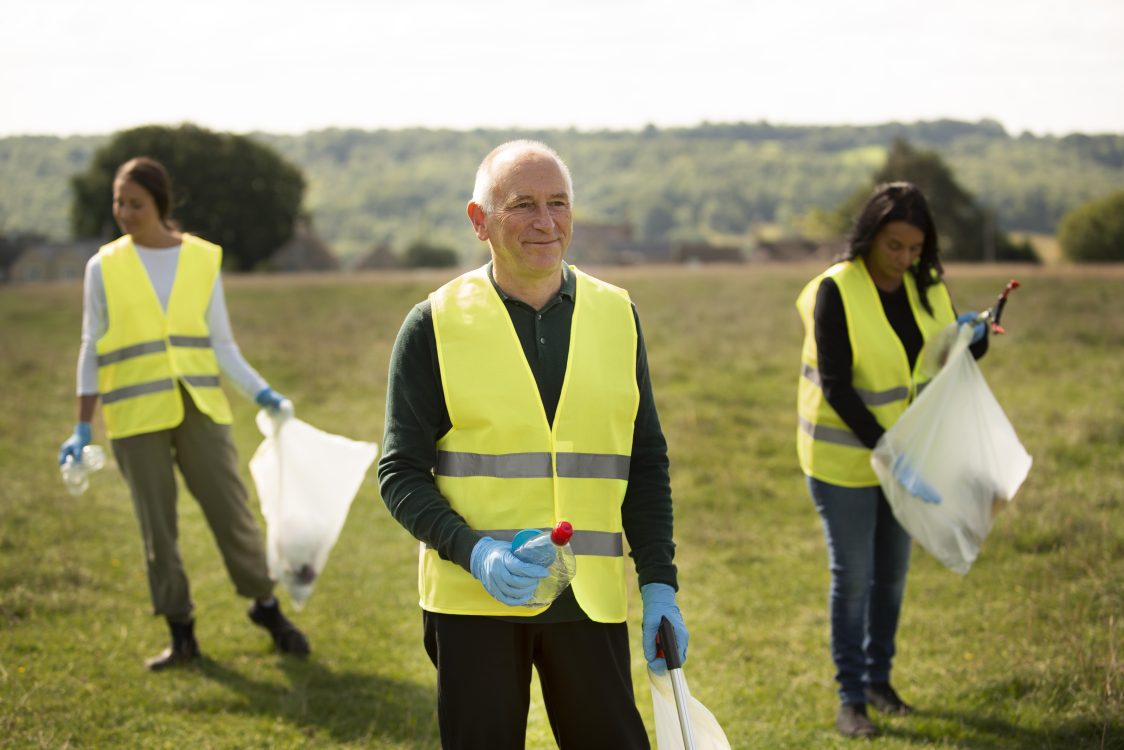
Urban litter is not only an environmental nuisance but also a cost driver for municipalities. For a Dutch municipality, GeoIQ Partners transformed a citizen initiative into a data-driven tool for efficient waste management.
A mobile app was developed allowing volunteers to record their walking routes and mark every location where litter was collected. Each observation could be enriched with photos, building a transparent record of where and what types of waste were found. Over time, this created a crowdsourced dataset of street litter distribution across the city.
The data was visualized in an interactive dashboard, showing in real time:
- Routes that had already been walked
- Areas still needing coverage
- Hotspots of litter with photographic evidence
For the municipality, the dashboard became a planning tool. Waste collection teams could optimize their routes, avoiding unnecessary kilometers and focusing efforts on the most affected streets. In addition, the analysis highlighted social hotspots, such as routes used by schoolchildren or areas near fast-food outlets, where extra monitoring and enforcement could reduce littering behavior.

 view
view
 view
view
 view
view